Projects
We hypothesize that the brain contributes to blood glucose regulation in a predictive way – integrating external cues (appearance/smell/taste of food), nutrient sensing, and knowledge of the body’s own actions and energy use to act as a proactive glycemic controller.
Current projects:
- Identifying brain-wide networks that forecast future blood glucose changes
- Testing how specific neurons and regions influence both metabolism and behavior
- Building machine learning models that connect brain activity, physiology, and behavior
-
Creating scalable tools for measuring behavior across large experiments
Featured
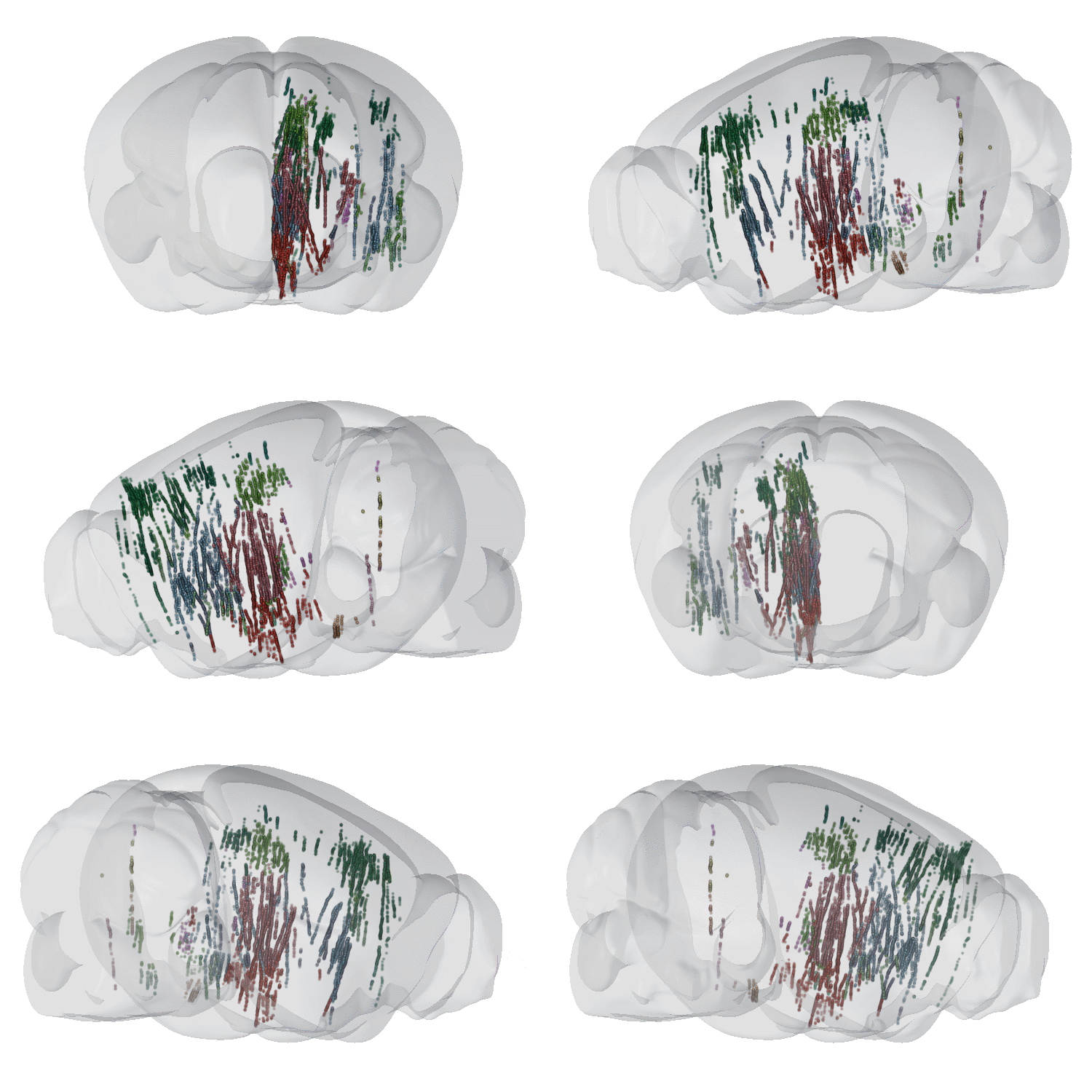
We recorded from over 18,000 neurons while simultaneously recording blood glucose levels to identify glucose-coding neurons across the brain. Publication and dataset coming soon!
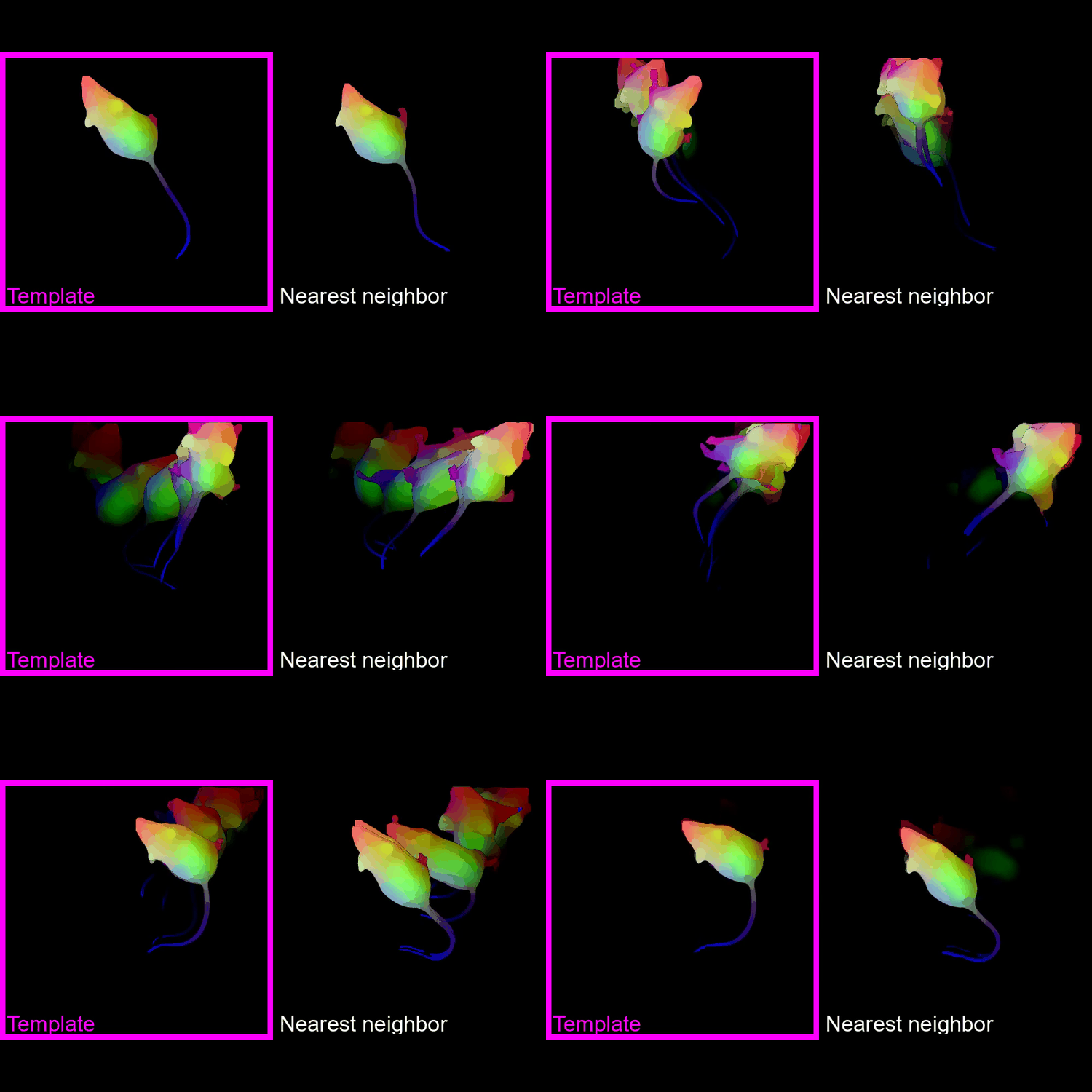
A collaboration with the Campos Lab at UW developing a foundational model to map any mouse image onto a canonical 3D surface. Publication and model launch coming soon!
Approach To study how the brain supports glycemic control, we combine state-of-the-art systems neuroscience approaches in mice, including large-scale neural recordings with Neuropixels probes, continuous glucose monitoring, computational analysis, and self-supervised behavioral analysis.
We first identify brain networks that forecast blood glucose levels and examine how these networks also represent other sensory and behavioral variables, such as taste. We then test how these network coding properties change in disease models. Our goal is to build a spatiotemporal map of how disease affects glycemic control networks and to identify therapeutic strategies that help restore healthier patterns of brain activity.
More
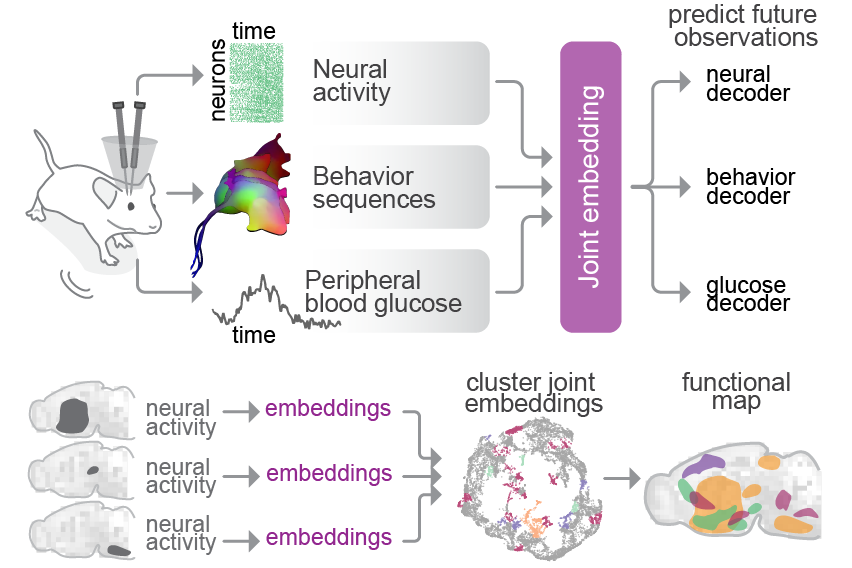
Our goal is to leverage behavior as a unifying feature to unite neural activity and physiological measurements across diverse experimental conditions and disease states.
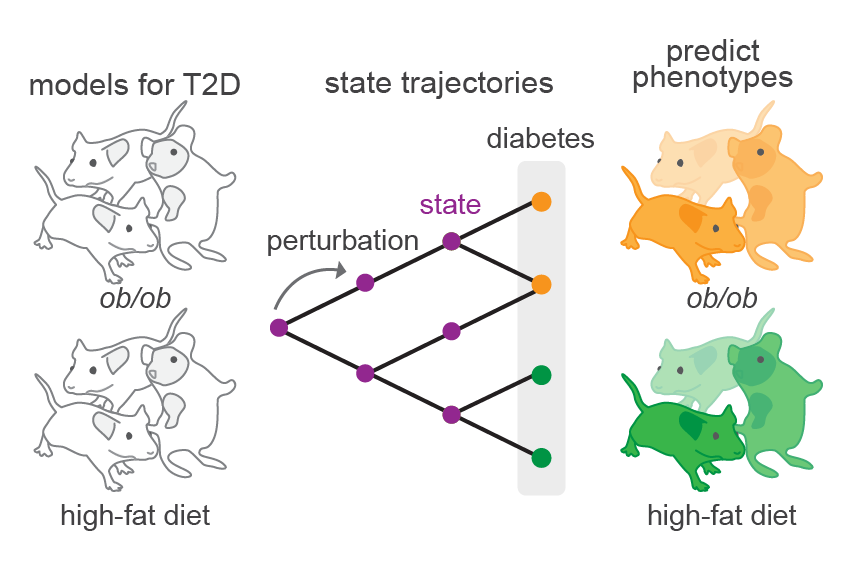
We’re collaborating with other labs at UWMDI to examine how neural forecasting of blood glucose changes as metabolic disease develops – and whether existing and novel therapies revert towards a healthier state.
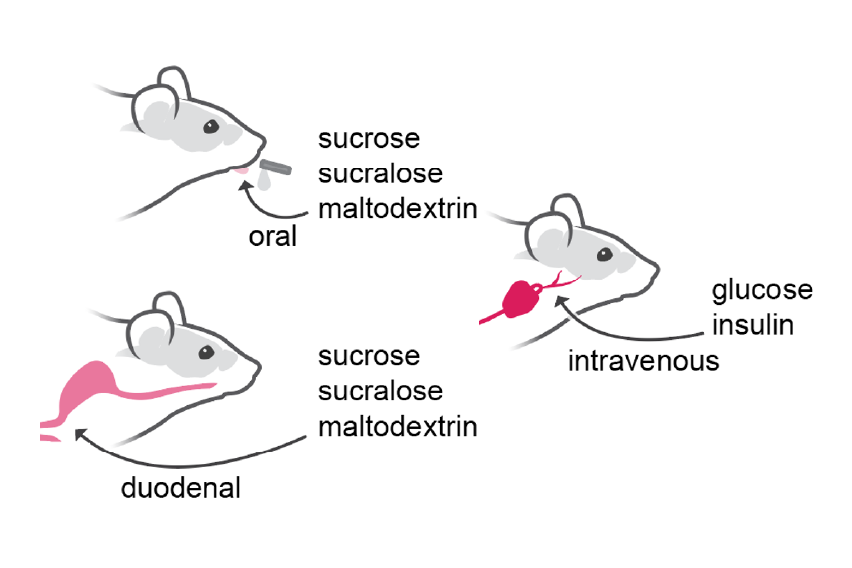
We’re testing how different taste and gut-derived sensory modalities integrate with external information to build glycemic predictions.